Right to Repair in 2026: What U.S. Tech Consumers Should Know
The right-to-repair debate has moved from a niche argument about tools and spare parts into a major consumer-policy issue. Phones, laptops, tractors, appliances, cars, medical devices, and smart products increasingly depend on software, authentication, diagnostic tools, serialized parts, and manufacturer-controlled service systems. That means owning the physical product does not always guarantee that repairing it is simple.

In 2026, the U.S. right-to-repair conversation remains active at both federal and state levels. One of the year’s biggest developments came on July 8, 2026, when the Federal Trade Commission and five states announced a settlement with Deere & Company. Under the proposed order, Deere must provide farmers and independent repair providers access to repair resources equivalent to those available to authorized dealers for ten years, including important software capabilities.
That case concerns agricultural equipment, not consumer laptops or phones, but it highlights the same central question affecting modern technology: when you own a product, what tools, parts, software and information should be available to repair it?
This guide explains the right to repair in 2026 for U.S. consumers in practical terms, including warranty myths, parts pairing, software locks, independent repair, state laws, and questions to ask before buying a device.
What “Right to Repair” Means
Right to repair generally refers to policies and practices that make it possible for owners and independent repair businesses to diagnose, maintain and repair products without being forced to use only the original manufacturer’s authorized service network.
Repair access can involve
- Replacement parts.
- Repair manuals.
- Diagnostic software.
- Firmware tools.
- Error-code access.
- Calibration procedures.
- Specialized tools.
- Service documentation.
- Parts pairing or activation tools.
- Reasonable access to schematics or technical information where required.
Different laws define these requirements differently. There is no single U.S. right-to-repair rule that applies identically to every product and state.
The July 2026 FTC Deere Settlement
On July 8, 2026, the Federal Trade Commission announced a settlement with Deere & Company together with Illinois, Arizona, Michigan, Minnesota and Wisconsin.
The FTC said the settlement was designed to give farmers and independent repair providers access to repair resources equivalent to those available to Deere’s authorized dealers.
The order includes access to capabilities such as
- Reading, clearing and resetting electronic fault codes.
- Reprogramming electronic components.
- Pairing newly installed electronic parts with equipment.
- Restarting machines after some emissions-related shutdown conditions.
- Searching technical manuals and troubleshooting resources.
- Access to future repair resources under specified conditions.
The order is designed to run for ten years, subject to the court process and compliance requirements described by the FTC.
Why a Tractor Case Matters to Tech Buyers
Modern tractors and modern consumer electronics share an important trend: hardware depends increasingly on software.
A physical part may fit perfectly but still require electronic pairing. An error code may exist but be visible only to authorized software. A replacement component may need calibration before the system accepts it.
These same issues appear in phones, laptops, appliances, vehicles, cameras, and other connected products.
The repair question has shifted
Twenty years ago, repair access often meant “Can I get the part and open the device?” In 2026 it can also mean “Will the software let the replacement part work?”
What Is Parts Pairing?
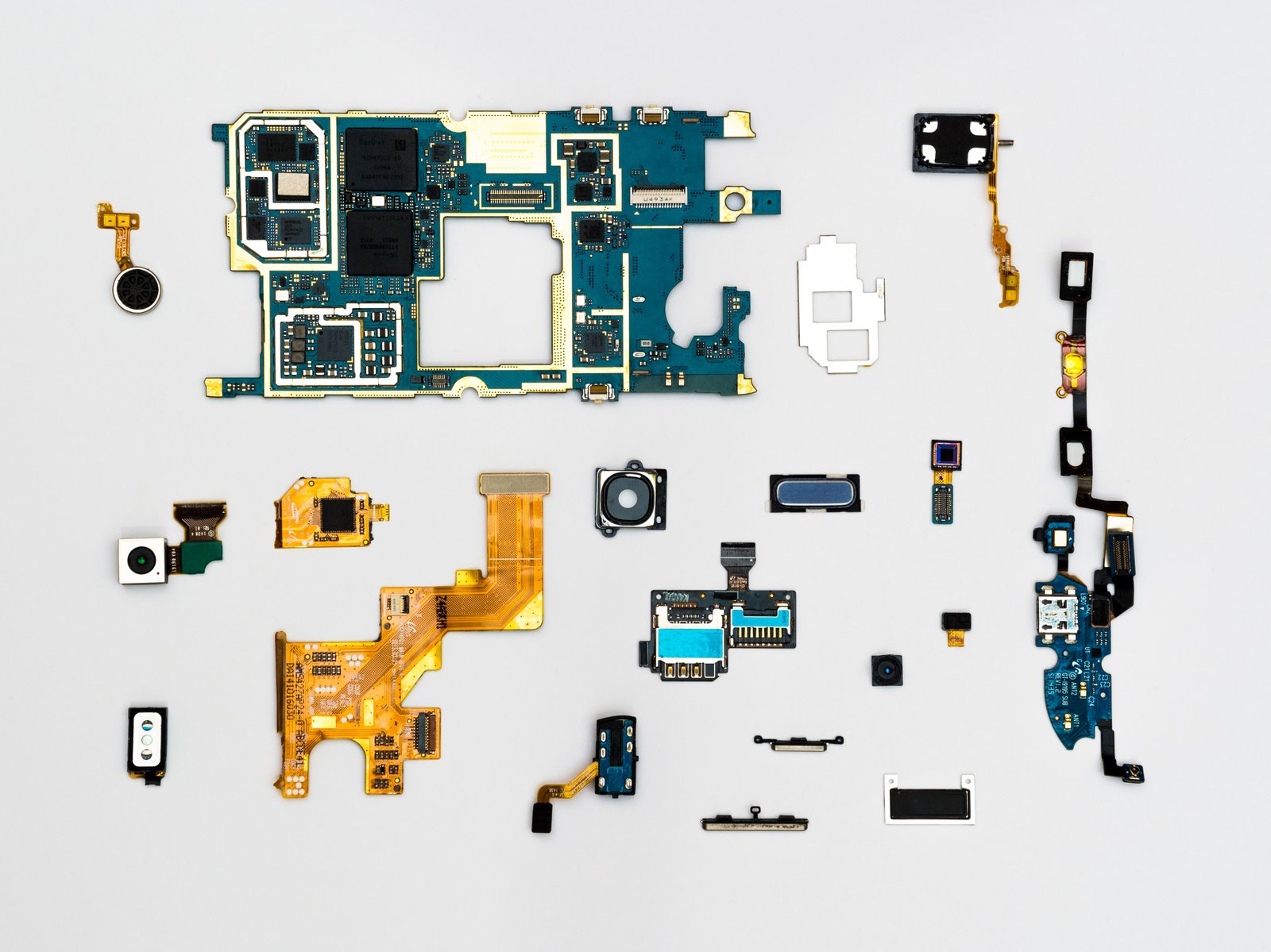
Parts pairing is a broad term for systems that associate a component’s identity with a particular device or require software authorization, calibration, or configuration after replacement.
Pairing can serve legitimate purposes. It may help with calibration, safety, theft deterrence, authenticity or security. It can also create repair restrictions if independent providers cannot access the necessary process.
A balanced repair policy has to consider both sides
- Can a replacement part be authenticated safely?
- Can independent repair providers perform required calibration?
- Can stolen parts be discouraged without blocking legitimate used or replacement parts?
- Can consumers see warnings without losing device functionality unnecessarily?
The policy challenge is not simply “pairing is bad” or “pairing is good.” The question is whether the implementation is necessary, proportionate and accessible to legitimate repair.
Does Repairing Your Own Device Automatically Void the Warranty?
A common consumer misconception is that opening or repairing a product automatically eliminates all warranty rights.
Federal warranty law and FTC policy are more nuanced. The FTC has repeatedly warned companies that they generally cannot condition warranty coverage on consumers using only branded parts or authorized service unless specific legal conditions are met.
The FTC’s Businessperson’s Guide to Federal Warranty Law explains requirements under the Magnuson-Moss Warranty Act.
But warranty coverage is not unlimited
If a repair or third-party part actually causes damage, a company may have grounds to deny coverage for that damage. The key distinction is between a blanket “you opened it, so all warranty rights are gone” claim and a specific problem caused by an unauthorized repair.
For a dispute involving an expensive product, review the written warranty and current FTC guidance rather than relying on a sticker or a social-media claim.
“Warranty Void if Removed” Stickers
FTC enforcement and guidance have long challenged warranty language that implies consumers must use only authorized parts or service to preserve warranty coverage.
A sticker may discourage a user from opening a device, but it does not automatically override federal warranty protections.
That does not mean every repair is risk-free. Opening a device can damage seals, batteries, connectors, or waterproofing, and those consequences can matter.
State Right-to-Repair Laws
Several states have enacted repair laws covering categories such as consumer electronics, digital electronic equipment, appliances, vehicles or powered equipment. The scope, effective dates, exemptions and covered products vary.
Before relying on a state law
- Check the current statute or official state guidance.
- Confirm whether your product category is covered.
- Check the product’s manufacture or sale date.
- Review exemptions.
- Check whether parts, tools, software or documentation are included.
Do not assume that a right-to-repair law in one state automatically applies to a different product or location.
Why Repairability Is a Buying Feature
Consumers often compare processor speed, camera quality, battery life and price but ignore what happens after the product is two or three years old.
Repairability can affect total cost of ownership dramatically.
Before buying a laptop or phone, check
- Can the battery be replaced?
- Is replacement storage possible?
- Are official parts sold?
- Are repair manuals available?
- Does the manufacturer offer self-service repair?
- Are local independent shops able to perform common repairs?
- How expensive are screens, batteries and ports?
- Does the product require software pairing after replacement?
- How many years of security updates are promised?
A slightly more expensive device may be cheaper over five years if common failures can be repaired reasonably.
Repairability and Software Support Are Connected
A physically repairable laptop is not useful forever if its operating system or firmware stops receiving security updates.
Long-term ownership depends on both hardware repair and software support.
For connected products, check
- Operating-system support life.
- Security-update policy.
- Firmware availability.
- Whether the product still works if a cloud service shuts down.
- Whether replacement parts can be configured after the official support period.
This is especially important for smart-home products and appliances that depend on mobile apps or remote services.
Independent Repair vs Manufacturer Service
Independent repair is not automatically better or worse than authorized service. The best option depends on the device and repair.
Authorized service can offer
- Official parts.
- Manufacturer diagnostics.
- Warranty integration.
- Product-specific training.
- Calibration tools.
Independent repair can offer
- More price competition.
- Local service.
- Board-level repair in some shops.
- Used or third-party part options.
- Repairs manufacturers may not offer economically.
Ask any repair shop about parts quality, data handling, warranty on the repair, and whether important calibration or sealing procedures are completed.
Data Privacy During Repair
Repair often requires handing another person a device containing photos, email, financial apps, browser sessions, passwords and work files.
Before repair
- Back up important data.
- Use the manufacturer’s repair or maintenance mode if available.
- Sign out of sensitive accounts if appropriate.
- Remove unnecessary private files.
- Record device serial numbers.
- Ask whether the repair requires your unlock credential.
- Change passwords after repair if you had to share credentials.
A legitimate repair process should minimize the need to access personal content.
Battery Repair Is Especially Important
Batteries are consumable components. They lose capacity over time even when the rest of a device works perfectly.
A product with a replaceable battery can remain useful much longer.
Battery repairs also involve safety
Lithium-ion batteries can be dangerous if punctured, bent, overheated or installed incorrectly. Consumers should use appropriate procedures and qualified service when they are not comfortable handling the risk.
Water Resistance After Repair
Opening a water-resistant phone, watch, camera or other sealed device can compromise seals.
A quality repair may replace adhesives and seals, but restoring the original tested water resistance can require specific procedures and equipment.
Ask the repair provider what level of water-resistance assurance remains after service.
Repair Manuals and Self-Service Programs
Some technology manufacturers now provide official repair manuals, tools, diagnostics, and parts for selected products.
These programs can make basic repairs more accessible, but they vary widely in product coverage and cost.
Evaluate a self-service program by
- Parts price.
- Tool availability.
- Manual quality.
- Software calibration access.
- Return requirements for old parts.
- Warranty terms.
- Supported product age.
What the FTC’s Repair Work Signals
The 2026 Deere settlement shows that federal competition enforcement can address repair restrictions when agencies believe those restrictions unlawfully limit competition.
It does not create one nationwide consumer-electronics repair law. But it reinforces the broader policy direction: repair software, diagnostic access and parts pairing can be competition issues, not only hardware-design choices.
A 2026 Repairability Checklist for Tech Buyers
- Can the battery be replaced?
- Can storage or memory be replaced?
- Are official parts sold?
- Are repair manuals available?
- Can independent shops obtain diagnostic access?
- Are paired parts involved?
- What is the official repair price?
- How long are software updates promised?
- Does the device require cloud service to function?
- Can important data be backed up and restored easily?
Common Right-to-Repair Misunderstandings
- “Right to repair means every part must be user-replaceable.” Laws and policies vary and often include exemptions and specific covered products.
- “Opening a product always destroys the warranty.” Federal warranty rules are more nuanced.
- “Parts pairing has no legitimate purpose.” Pairing can support security or calibration, but access and proportionality matter.
- “Independent repair is always cheaper.” It depends on parts, labor, and the repair.
- “One state law covers the whole U.S.” State coverage varies.
Frequently Asked Questions
What happened with Deere and right to repair in 2026?
On July 8, 2026, the FTC and five states announced a settlement requiring Deere to provide farmers and independent repair providers with repair resources equivalent to those available to authorized dealers, including important electronic and software capabilities. The order is designed to last ten years.
Can a company require authorized repair to keep a warranty?
Federal warranty law generally limits “tie-in” requirements that force consumers to use branded parts or authorized service to keep warranty coverage, subject to legal exceptions. Damage caused by an improper repair can still affect coverage for that damage.
What is parts pairing?
It is a system where replacement components may need software authorization, calibration or identification before a device fully accepts them. Pairing can support safety and security but can also restrict independent repair if necessary tools are unavailable.
Should repairability affect which laptop or phone I buy?
Yes. Battery replacement, parts availability, repair pricing, software support and independent service options can significantly affect total ownership cost.
Conclusion
Right to repair in 2026 is increasingly about software access as much as screwdrivers and replacement parts. The FTC’s Deere settlement makes that especially clear: diagnostic tools, fault-code access, reprogramming and parts pairing can determine whether an owner can realistically repair modern equipment.
For consumers, the practical response is to make repairability part of the buying decision. Check parts, manuals, battery replacement, software support and service pricing before a device fails. Better repair access can reduce waste and ownership costs, but safe repairs still require good parts, responsible technicians and strong data protection.