AI Wearables in 2026: Where Smart Glasses, Watches, Rings and Earbuds Fit
For more than a decade, the smartphone has been the undisputed center of our digital lives. But 2026 is shaping up to be the year that assumption gets challenged. AI wearables — smart glasses, smartwatches, AI earbuds, and smart rings — are no longer novelty gadgets. They are becoming genuinely useful companions that can handle tasks once reserved for your phone. The big question everyone is asking: are smart glasses and AI devices really replacing smartphones?
In this guide, we break down the current state of AI wearables in 2026, the devices worth your attention, and whether the “phone-free” era is actually coming.
Why AI Wearables Are Surging in 2026
The rise of AI-powered smart glasses and other wearables comes down to three things: always-on AI assistants, better sensors, and much smaller hardware. Instead of pulling a phone out of your pocket for every notification, a wearable can now answer questions, translate speech, track your health, and even record what you see — in real time.
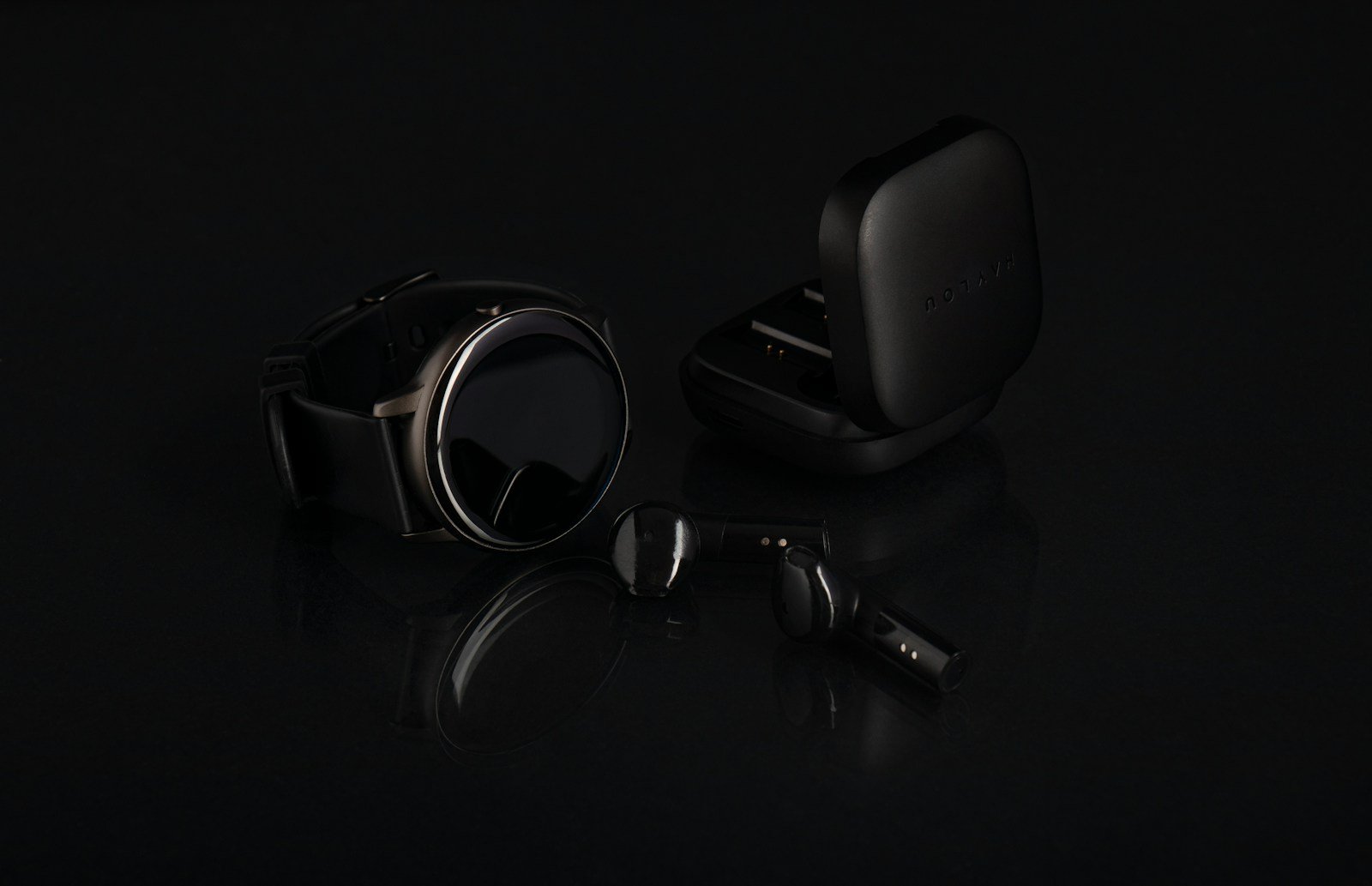
- Always-on assistants: Modern wearables run compact AI models that respond instantly to voice or gestures.
- Health-first computing: Sleep tracking, ECG, blood oxygen, and stress monitoring have become core features.
- Notification fatigue relief: Wearables triage what matters instead of buzzing for everything.
- Camera + AI combos: Smart glasses can now capture and understand the world around you.
Smart Glasses: The New Smartphone Challenger
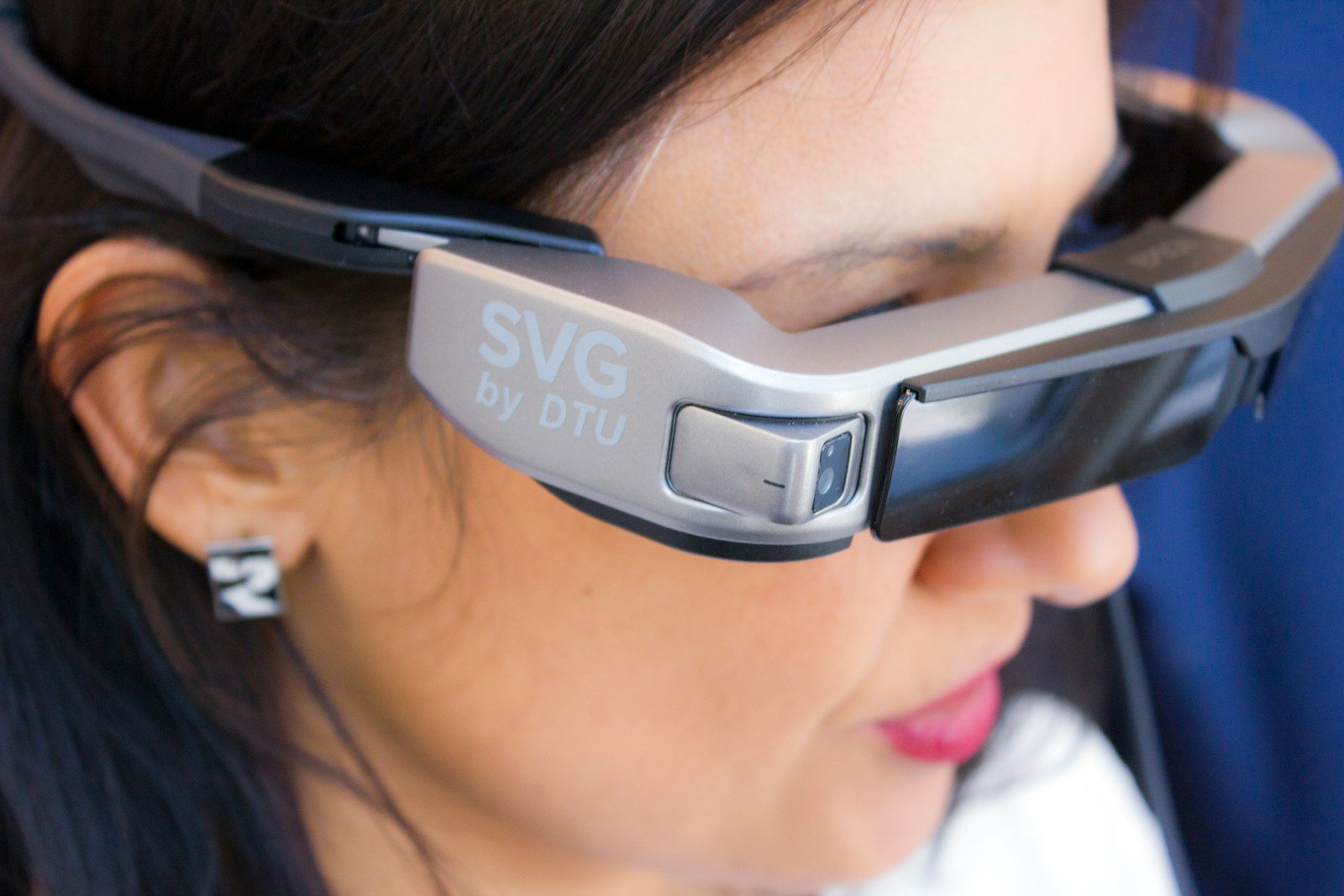
Smart glasses are the most talked-about category in wearables right now. Models like the Ray-Ban Meta and other 2026 releases put a camera, speaker, microphone, and an AI assistant right on your face. You can take photos, get turn-by-turn directions, translate conversations, and ask questions — all without touching a phone.
That said, smart glasses are not replacing your phone overnight. They still need a companion phone for setup, most apps, and heavy multitasking. What they do replace is the constant need to check your screen for quick, glanceable information.
Smartwatches: The Trusted Workhorse
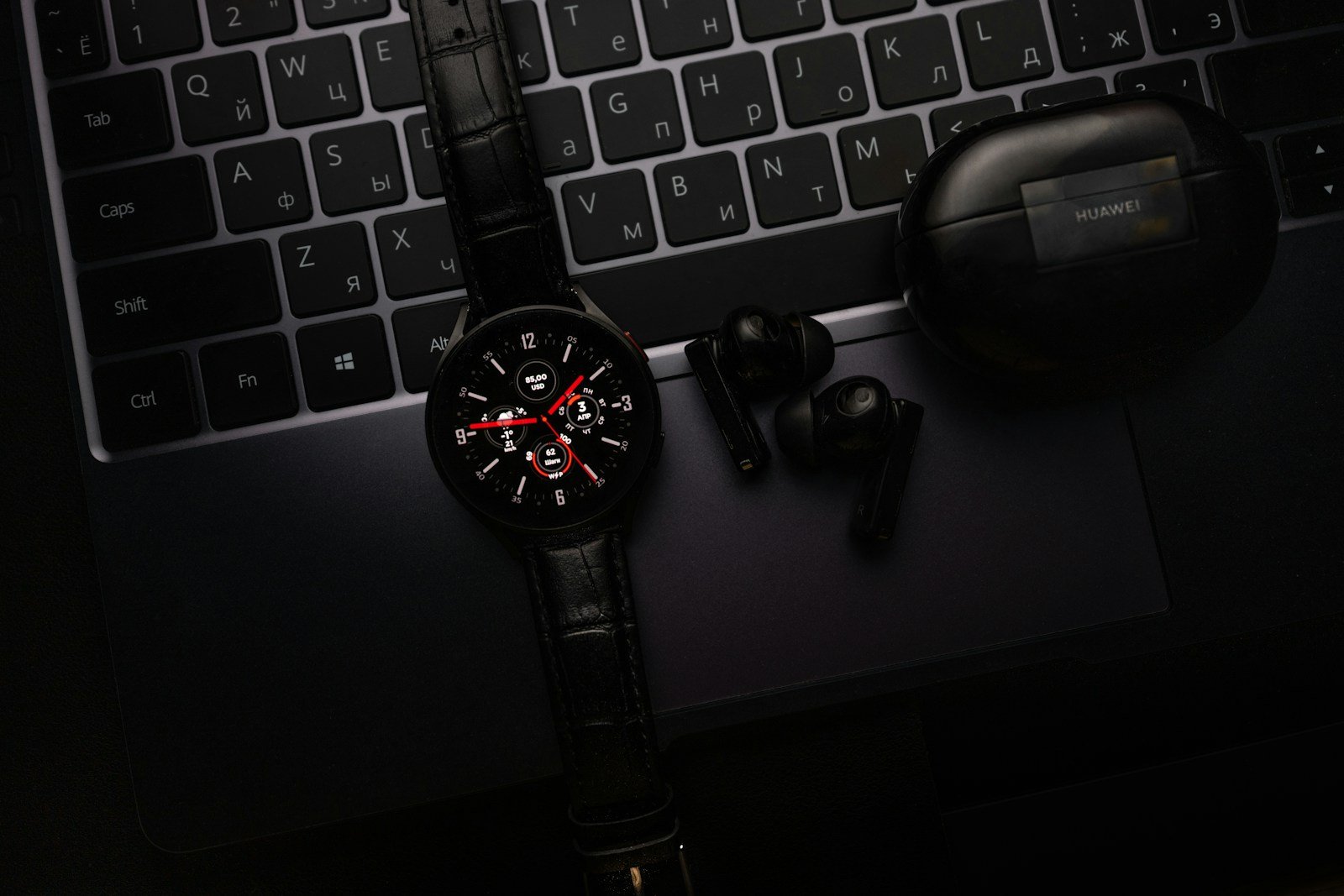
Smartwatches remain the most practical AI wearable for most people. With always-on displays, deep health sensors, and growing battery life, devices like the Apple Watch and Samsung Galaxy Watch handle notifications, fitness, payments, and even emergency detection. They pair tightly with your phone rather than replacing it — and for most users, that is exactly the right balance.
AI Earbuds and Smart Rings: The Quiet Rise
Two underrated categories are exploding: AI earbuds and smart rings. AI earbuds now offer real-time translation, voice assistants, and adaptive noise cancellation. Smart rings like the Oura Ring pack impressive sleep and readiness tracking into a tiny, discreet form factor with week-long battery life.
Will Your Smartphone Actually Disappear?
Realistically, the smartphone is not disappearing in 2026 — but it is being demoted. The most realistic future is a hybrid workflow: wearables handle glanceable information, health, and quick tasks, while the phone remains your heavy-duty device for banking, gaming, media, and apps that need a big screen.
How to Choose the Right AI Wearable
- Decide what matters most: fitness, notifications, or hands-free camera/AI.
- Check battery life — daily charging vs. multi-day wear makes a huge difference.
- Make sure it works with your phone’s ecosystem (Android or iOS).
- Consider privacy: cameras and always-on mics mean you should know what data is collected.
- Start with one device, not a full kit. Wearables are best adopted gradually.
The Real Shift: From One Screen to Many Small Interfaces
The most important change in wearable computing is not that one device is replacing the smartphone. It is that everyday computing is being distributed across several smaller interfaces. A watch handles quick health information and notifications. Earbuds handle audio and voice. Glasses handle hands-free capture and visual context. A phone remains the powerful central device that ties everything together.
This distributed model can reduce screen time because each device surfaces only the information suited to its form. Instead of unlocking a phone and getting pulled into messages, social feeds, and apps, a wearable can show a single direction, timer, reminder, or response. That narrower experience is one reason wearables can feel calmer even when they are technically adding another device to your life.
Where AI Wearables Are Already Better Than a Phone
Wearables have a natural advantage in situations where speed and context matter more than screen size. A smartwatch can show a timer while your hands are busy. Earbuds can translate or read a message while you walk. Glasses can capture what you see without stopping to frame a phone camera. A ring can collect health signals while you sleep without lighting up a screen.
Health tracking is another area where wearables are especially strong because the device stays close to the body for long periods. Continuous sensors can build a picture from many small measurements rather than relying on a user to remember to open an app. The value is not a single reading; it is the pattern that emerges over days and weeks.
Hands-free assistance is also becoming more useful as AI systems become better at understanding voice, images, and context together. The wearable does not need to display a complex interface if the assistant can understand a short request and return a short useful answer. This is why voice quality and context awareness are central to the next generation of wearable experiences.
Why Smartphones Still Win at Complex Tasks
Phones remain much better for tasks that need a large visual workspace, precise touch input, long reading sessions, detailed forms, banking, editing, gaming, and complex app navigation. A six-inch screen may feel small compared with a laptop, but it is still enormous compared with a watch or tiny optical display.
Battery capacity is another advantage. A phone has far more physical room for a battery, processor, antennas, cooling, and cameras. Wearables have to balance comfort against power. The device on your face or finger cannot simply become thicker every time a new feature is added. That design pressure forces wearables to depend on efficient chips, cloud processing, companion phones, and carefully limited interfaces.
App ecosystems also matter. People have years of habits, purchases, logins, and services tied to iOS and Android. A wearable that works with those systems can become useful quickly. A wearable that tries to replace them must rebuild a huge amount of software and developer support first.
How to Build a Wearable Setup That Actually Helps
Begin with a single problem instead of buying a collection of devices. If health tracking is the priority, a watch or ring is the logical starting point. If calls, music, translation, and voice assistance dominate your day, good earbuds may offer more value. If you frequently need hands-free photos, navigation, or visual assistance, smart glasses make more sense.
Compatibility should be checked before features. Make sure the wearable works properly with your phone, preferred apps, payment system, health platform, and notification settings. A brilliant feature is not useful if it only works inside an ecosystem you do not use.
Then reduce notifications. Wearables can become distracting if every app is allowed to vibrate on your wrist or speak in your ear. The best setup filters information so only urgent or genuinely useful events reach the wearable. Everything else can wait for the phone or computer.
What Has to Improve Before a Phone-Free Future
For wearables to replace phones more completely, batteries need to last longer without adding weight, displays need to become brighter and more comfortable, voice interfaces need to handle noisy environments reliably, and privacy indicators need to be obvious. Prescription support must become easier for glasses, and developers need consistent platforms for building useful applications.
The user interface is perhaps the hardest problem. A phone can show almost anything because it has a flexible touchscreen. Wearables need interaction methods that work with tiny displays or no display at all. Voice, gestures, eye tracking, contextual automation, and AI assistants will likely work together rather than one method replacing all the others.
Until those pieces mature, the most realistic future is a partnership between devices. The phone becomes less visible because watches, glasses, rings, and earbuds handle quick tasks around it. That may not sound as dramatic as the smartphone disappearing, but it can still change how often we look at a screen and how naturally technology fits into daily life.
A Practical Buying Checklist for AI Wearables
Before buying any AI wearable, write down the three things you expect it to do most often. Then check whether those features work without extra subscriptions, whether they require a constant phone connection, and whether they are available in your region. Marketing pages often list many capabilities, but the best device is the one that handles your repeated daily tasks with the least friction.
Comfort should be treated as a core specification. A watch that irritates your wrist, earbuds that become uncomfortable after an hour, or glasses that feel heavy will not deliver long-term value. Look at weight, fit options, water resistance where relevant, charging method, replacement parts, and whether the device works with prescription requirements or different ear sizes.
Also think about what happens when the novelty fades. The most durable wearable features are usually simple: reliable notifications, health tracking, audio, quick capture, navigation, and hands-free assistance. A device built around one experimental feature may feel less useful if that feature is slow, restricted, or dependent on a service that changes later.
Finally, consider the total ecosystem cost. Some features work best only with a particular phone, cloud service, fitness platform, or subscription. Add those costs before comparing prices. A cheaper wearable that requires several paid services can become more expensive than a better-integrated alternative. Buying around your existing ecosystem usually produces a smoother experience and reduces the number of accounts and apps you have to manage.
Final Verdict
Are smart glasses and AI devices replacing smartphones? Not yet — but they are changing how we use them. AI wearables in 2026 are excellent complements that reduce screen time, keep you healthier, and put an assistant within arm’s reach (or on your face). The best strategy is to pick the wearable that solves your biggest daily pain point and let your phone handle the heavy lifting.
Ready to explore more? Check out our roundup of the best AI smart glasses of 2026 to see which models are worth your money.