Noise-Canceling Headphones Buying Guide 2026: ANC, Comfort, Battery and Sound Explained
Noise-canceling headphones can make flights, commutes, open offices, study sessions, and remote work much easier. Good active noise cancellation reduces low-frequency background sound so you can listen at a more comfortable level and focus with fewer distractions.

But the best noise-canceling headphones in 2026 are not automatically the model with the strongest ANC score. Comfort, microphone quality, battery life, controls, app stability, transparency mode, sound tuning, and multi-device behavior can matter more in daily use.
This guide explains how to compare over-ear noise-canceling headphones for U.S. buyers without getting lost in marketing terms.
How Active Noise Cancellation Works
Active noise cancellation, or ANC, uses microphones to measure surrounding sound and generates an opposing signal designed to reduce what reaches your ears.
ANC is generally strongest against steady low-frequency noise such as:
- Airplane engine rumble.
- Air conditioning.
- Bus and train noise.
- Office HVAC.
- Some traffic hum.
Sudden voices, clattering dishes, keyboard sounds, and rapidly changing noises are harder to cancel completely.
Passive Isolation Still Matters
The earcups and earpads physically block sound before electronics do anything. This passive isolation helps with higher-frequency noise and affects how well ANC works overall.
A headphone with excellent electronics but a poor seal around your glasses or hair may cancel less noise than expected.
Comfort Should Be a Top Priority
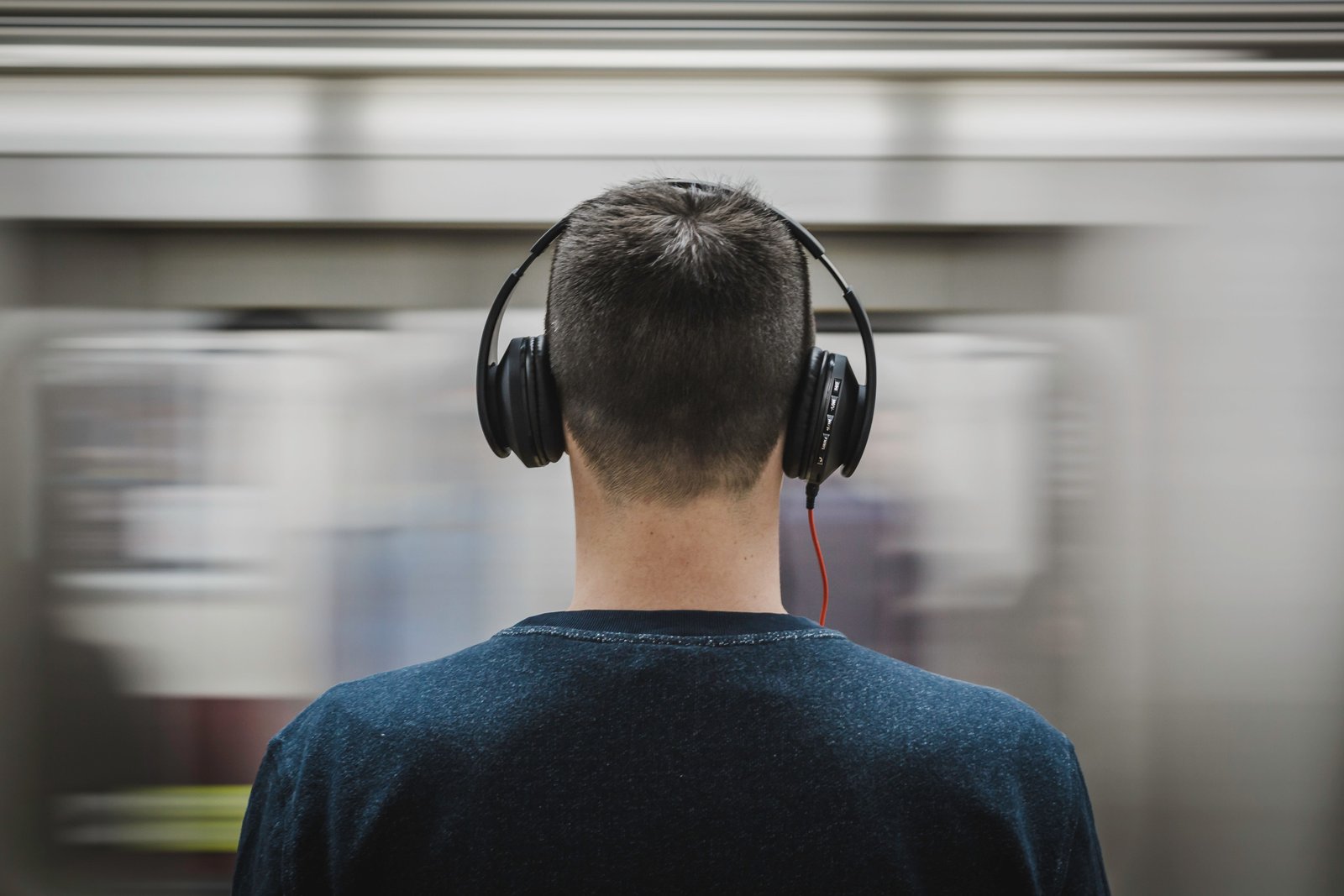
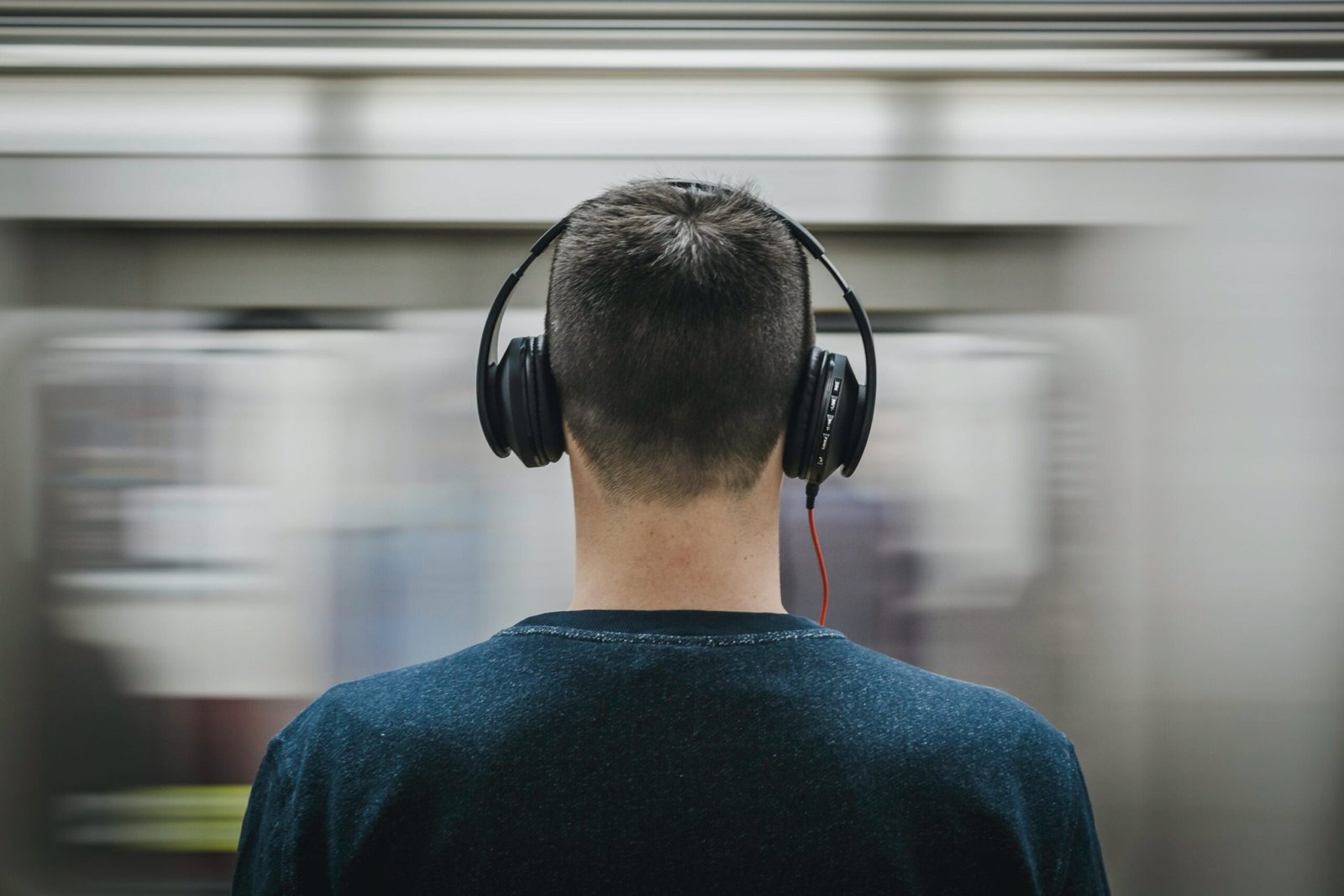
Headphones can sound excellent and still be a bad purchase if they become uncomfortable after 45 minutes.
Check four areas
- Clamp force: how tightly the headband presses.
- Earpad depth: whether your ears touch the inner driver cover.
- Heat: some pads become warm during long sessions.
- Headband pressure: weight distribution matters more than total weight alone.
If possible, wear a pair for at least 20 to 30 minutes before deciding.
Transparency or Ambient Mode
Transparency mode uses microphones to let outside sound through so you can hear announcements, conversations, or traffic without removing the headphones.
A good transparency mode should
- Sound natural rather than heavily processed.
- Handle your own voice reasonably well.
- Avoid amplifying wind aggressively.
- Allow quick switching from ANC.
Travelers often use transparency mode almost as much as ANC.
Microphone Quality for Calls
Headphone call quality varies dramatically, especially in wind or noisy streets.
If you work remotely, test the microphone in the environments where you actually take calls. Listen to a recording rather than trusting how your voice sounds through sidetone.
Test in
- Quiet room.
- Office background noise.
- Outdoor traffic.
- Wind.
- Video-call software you use regularly.
Battery Life
Modern ANC headphones often last through multiple workdays or long travel days, but battery ratings depend on volume, ANC, wireless features, codecs, and call use.
Useful battery features
- Fast charging.
- USB-C charging.
- Ability to listen while charging if supported.
- Clear battery percentage in the app or operating system.
- Automatic power-off.
Wired Listening Can Still Be Useful
Some headphones include a 3.5 mm cable or USB audio mode. Wired support can be valuable on airplanes, older equipment, audio interfaces, and when battery power is low.
Check whether ANC still works in wired mode and whether the headphones need power for their best sound.
Bluetooth Codecs: Do Not Overpay for Acronyms
Bluetooth audio codecs affect how audio is compressed and transmitted, but sound quality depends on the whole headphone design, source device, recording, and fit.
Apple devices and Android devices may support different codec combinations. If a specific codec matters to you, confirm support on both the headphone and your phone or computer.
For Bluetooth technology information, see the official Bluetooth SIG resources.
Multipoint Bluetooth
Multipoint lets headphones maintain connections with more than one device, such as a laptop and phone.
This is especially useful for remote workers who listen to music from a computer but need to answer phone calls.
Test switching behavior
Some headphones switch smoothly, while others prioritize one device or behave differently with video calls. Test with your actual laptop and phone.
Sound Quality and Tuning
There is no universal “correct” consumer sound. Some headphones emphasize bass, some use a neutral tuning, and others can be adjusted heavily through an equalizer.
Listen for
- Clear voices.
- Bass that does not overwhelm details.
- Comfortable treble.
- Consistent sound with ANC on and off.
- Useful EQ controls if you want customization.
Do not judge from a five-second demo with one song. Use familiar music and spoken audio.
Spatial Audio and Head Tracking
Some headphones offer spatial processing designed to create a wider or more speaker-like presentation. Head tracking can keep the apparent sound field anchored while you move your head.
These features can be enjoyable for movies and some music, but they should be treated as optional extras rather than a reason to ignore comfort or ANC quality.
App Quality Matters
The companion app may control ANC strength, transparency, EQ, firmware updates, button assignments, and device connections.
Look for
- Reliable firmware updates.
- Useful EQ.
- Simple device management.
- Ability to disable features you do not use.
- Clear privacy controls.
Over-Ear vs Noise-Canceling Earbuds
| Feature | Over-ear headphones | ANC earbuds |
|---|---|---|
| Long-session comfort | Excellent for many users | Depends heavily on ear fit |
| Portability | Larger | Very compact |
| Battery per charge | Often longer | Shorter, with case recharges |
| Physical isolation | Large earcups | Strong with correct tips |
| Travel packing | Needs more space | Easy |
The right form factor depends on comfort and how you travel.
Hearing Safety
Noise cancellation can make it easier to listen at a lower volume because you are not trying to overpower background noise. That does not make unlimited volume safe.
The CDC/NIOSH noise resources provide information about sound exposure and hearing protection.
Practical habits
- Use the lowest comfortable volume.
- Take breaks during long listening sessions.
- Be careful after increasing volume in noisy places.
- Use device volume warnings as a reminder rather than something to ignore automatically.
Travel Features
Frequent travelers should consider more than ANC strength.
Useful travel features
- Compact folding design.
- Protective case.
- 3.5 mm airplane compatibility.
- Long battery life.
- Fast charging.
- Comfort with glasses.
- Good wind handling.
Repairability and Replaceable Earpads
Earpads wear out long before the electronics in many headphones. Check whether replacement pads are sold and easy to install.
A replaceable headband pad, cable, and battery would be even better, but support varies by model. Long-term parts availability can improve value.
How to Test Headphones During the Return Window
- Wear them for at least one hour.
- Test ANC with fan or transit noise.
- Test transparency mode.
- Record a microphone sample.
- Connect to two devices.
- Switch between phone and laptop.
- Test wired mode if available.
- Try your normal glasses.
- Check controls without looking.
- Use the app and update firmware.
How to Compare Value Over Several Years
Purchase price is only part of headphone value. Replacement earpads, battery aging, app support, firmware updates, warranty service, and spare cables all affect how long a pair remains useful. A model that costs a little more but has readily available pads and strong software support can be a better long-term buy than a cheaper model that becomes uncomfortable or difficult to maintain after a year.
If you travel often, also include case quality and charging convenience in the calculation. Headphones that survive daily packing, connect reliably to multiple devices, and charge from the same USB-C setup as your phone and laptop can reduce friction every day.
What Remote Workers Should Prioritize
For remote or hybrid work, microphone consistency and multipoint behavior deserve almost as much attention as ANC. A pair that cancels office noise brilliantly but drops the laptop connection during calls can quickly become frustrating. Test your normal video-conferencing app, phone calls, and notification behavior before the return window closes.
Also check sidetone or voice-monitoring options. Hearing a small amount of your own voice can make long calls feel more natural and reduce the tendency to speak too loudly while strong ANC is active.
Common Noise-Canceling Headphone Mistakes
- Choosing only by ANC strength: comfort may matter more after two hours.
- Ignoring microphone quality: important for remote work.
- Assuming every codec works on every phone: source support matters.
- Buying before testing fit with glasses: seal affects ANC.
- Ignoring replacement pads: they are wear items.
- Listening too loudly because ANC is on: protect your hearing.
Buying Checklist
- ANC effectiveness.
- Transparency mode.
- Comfort.
- Weight distribution.
- Microphone quality.
- Battery life.
- Fast charging.
- Wired input.
- Multipoint.
- Codec support.
- App and EQ.
- Replacement earpads.
- Case quality.
- Warranty.
Frequently Asked Questions
Do noise-canceling headphones block all sound?
No. ANC is strongest against steady low-frequency noise. Voices and sudden high-frequency sounds are usually reduced but not eliminated.
Are ANC headphones good for office work?
Yes, especially in open offices. Comfort, microphone quality, and transparency mode are important for all-day work.
Are expensive noise-canceling headphones always better?
No. Premium models may offer stronger ANC and better materials, but personal fit, sound preference, microphone needs, and device compatibility determine real value.
Can ANC damage hearing?
ANC itself is designed to reduce outside noise. Hearing risk is more closely related to sound level and exposure time. Keep playback at a comfortable, reasonable volume.
Conclusion
The best noise-canceling headphones in 2026 should disappear into your routine. They should be comfortable enough to wear, quiet enough for your environment, clear enough for calls, and reliable enough that you do not constantly manage connections.
Test fit, microphone quality, transparency, and multi-device behavior before focusing on small specification differences. Daily comfort and usability are what turn good ANC headphones into a worthwhile purchase.

Before buying, compare the return policy too. A real week of commuting, calls, travel, and long listening sessions can reveal fit or connection issues that a short store demo cannot.